

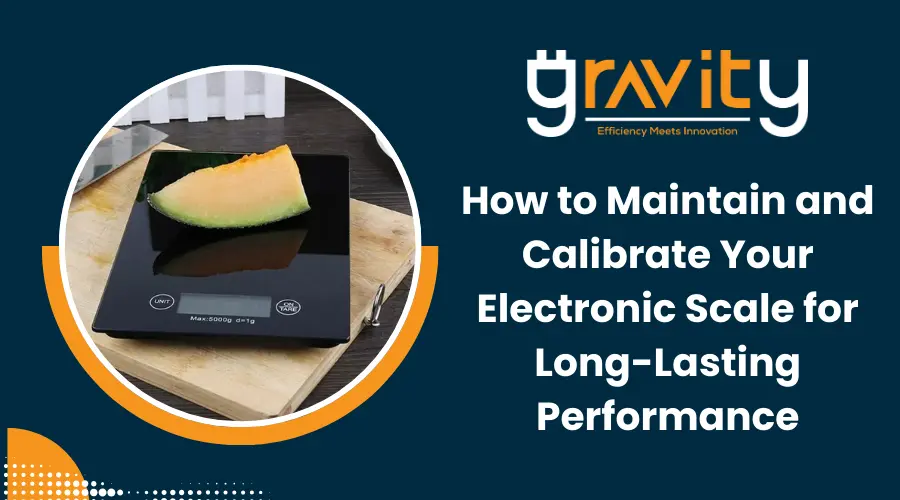
How to Maintain and Calibrate Your Electronic Scale for Long-Lasting Performance
Introduction
Proper maintenance and calibration of your electronic scale ensure consistent accuracy and reliability. In this guide, we’ll cover essential maintenance tips and step-by-step calibration procedures to help you extend the lifespan of your weighing scale.
1. Importance of Regular Maintenance
Electronic scales are precision instruments that require routine upkeep to function correctly. Neglecting maintenance can lead to inaccurate readings, which can impact business operations and customer trust.
👉 Key Benefits of Maintenance:
✔️ Ensures consistent accuracy
✔️ Prevents costly repairs
✔️ Increases device longevity
✔️ Maintains compliance with industry regulations
2. Daily Cleaning & Care
Keeping your scale clean prevents build-up that can interfere with accuracy.
✔️ Use a soft cloth with mild detergent to wipe surfaces.
✔️ Avoid water exposure (unless using a waterproof model).
✔️ Check for debris under the weighing platform.
✔️ Store in a stable environment free from extreme temperatures.
👉 Pro Tip: Never use harsh chemicals, as they may damage sensitive components.
3. How to Calibrate Your Scale
Calibration ensures your scale remains precise over time. Here’s a simple process:
- Turn on the scale and let it warm up for a few minutes.
- Ensure the surface is level to prevent errors.
- Use a certified calibration weight that matches the scale’s capacity.
- Follow manufacturer instructions to access calibration mode.
- Place the calibration weight on the platform and allow the scale to register.
- Confirm calibration and restart the scale.
👉 Best Practice: Perform calibration at least once a month, or more frequently for high-usage scales.
4. Troubleshooting Common Issues
- Fluctuating readings? Check for loose components and recalibrate.
- Display errors? Reset the scale and check the battery.
- Weighing inconsistencies? Ensure even weight distribution and remove external interference.
Conclusion
Proper maintenance and calibration guarantee your electronic scale’s accuracy and longevity. Implement these best practices to keep your scale in top condition and support smooth business operations.
🚀 Need professional calibration services? Contact us today for expert assistance!